
Travertine Stone Cladding: A Timeless Solution for Modern Architecture
When architects, builders, and property owners search for travertine stone cladding, they are usually looking for more than just a beautiful material. They want durability, long-term performance, natural character, and a façade solution that ages gracefully rather than deteriorates.
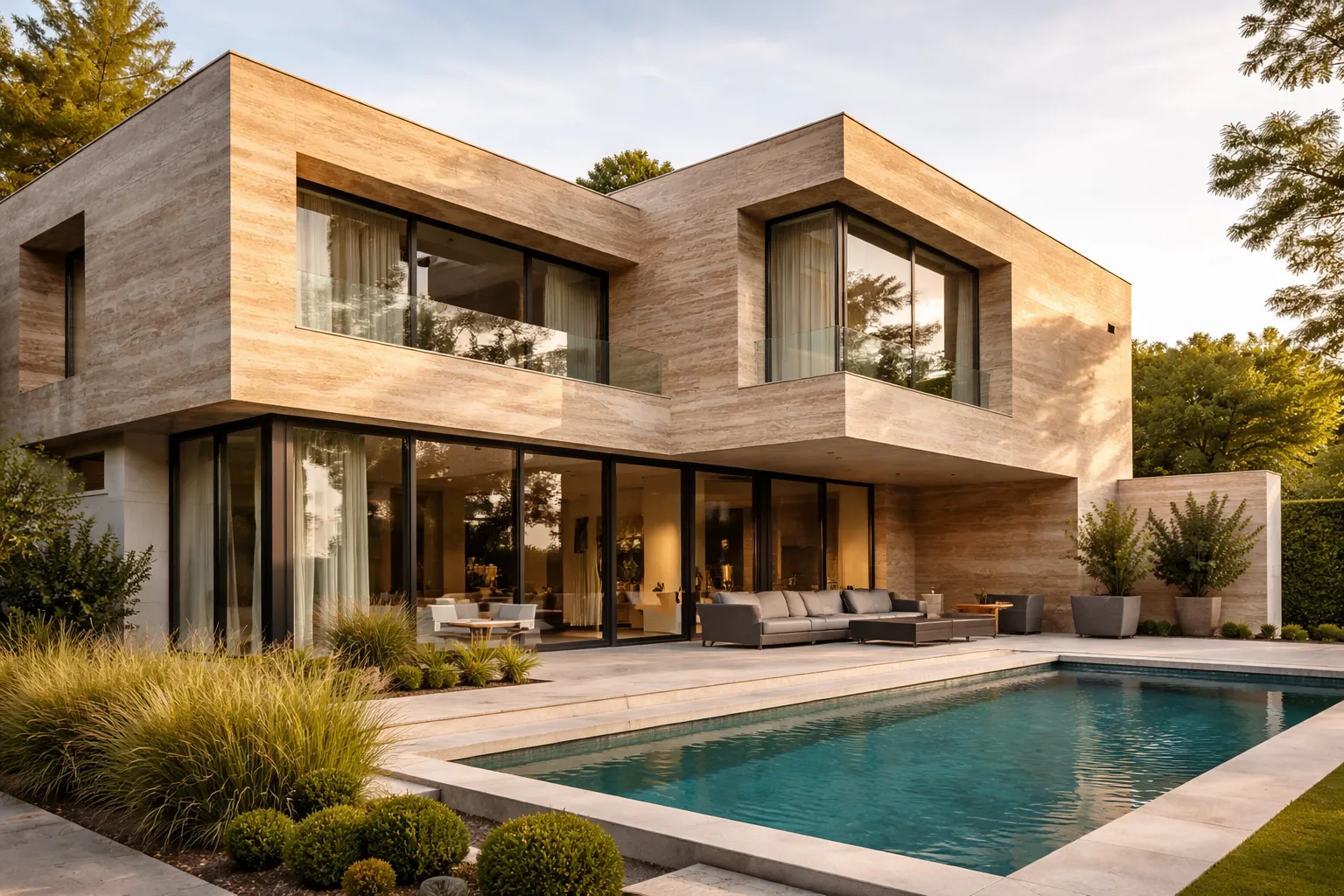
Travertine has been used for centuries in architecture, from classical buildings to contemporary projects. Today, it remains one of the most reliable and visually appealing natural stones for exterior wall cladding, façades, and architectural surfaces.
In this article, we’ll explore what travertine stone cladding is, why it’s so widely used, how to choose the right finish and format, and what to consider when selecting a supplier for your project.
What Is Travertine Stone Cladding?
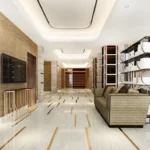
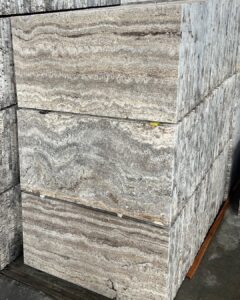
Travertine stone cladding refers to the use of natural travertine stone panels, tiles, or slabs applied to walls—most commonly exterior façades, but also interior feature walls.
Unlike load-bearing stone construction, cladding acts as a protective and decorative skin. It enhances the appearance of a building while shielding it from environmental elements such as rain, temperature changes, and UV exposure.
Travertine is particularly well suited for cladding because of its:
Natural porosity (which helps with thermal behavior)
Light-to-medium density compared to some marbles
Warm, neutral color palette
Excellent workability for cutting and finishing
You can explore different travertine types and finishes on our
👉 Travertine Products page
Why Choose Travertine for Stone Cladding?
1. Natural Aesthetic That Never Goes Out of Style
Travertine offers a timeless look. Its soft veins, subtle holes, and earthy tones create façades that feel natural rather than artificial. This is why travertine stone cladding is popular in:
Residential villas
Commercial buildings
Religious and cultural architecture
Hospitality projects
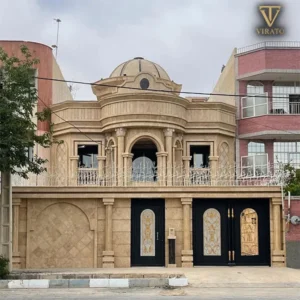
Unlike synthetic cladding materials, travertine develops character over time instead of looking worn out.
2. Excellent Performance in Exterior Conditions
When properly selected and installed, travertine performs very well outdoors. It handles:
Temperature fluctuations
Sun exposure
Rain and humidity
Wind and dust
For exterior use, finishes such as honed, brushed, or lightly textured are recommended, as they provide better grip and weather resistance than highly polished surfaces.
3. Versatile Design Options
Travertine stone cladding can be supplied in various formats:
Cut-to-size panels
Tiles
Large slabs
Ashlar or modular patterns
This flexibility allows architects to design everything from classic façades to modern, minimal surfaces.
You can see examples of real applications in our
👉 Projects Gallery
Common Applications of Travertine Stone Cladding
Travertine cladding is widely used across different architectural styles:
Exterior façades (ventilated or mechanically fixed systems)
Boundary walls and compound walls
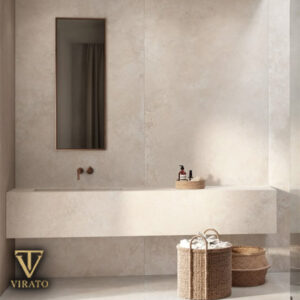
Interior feature walls
Entrances and lobbies
Commercial and institutional buildings
Because travertine pairs well with glass, steel, and concrete, it is often chosen for contemporary architecture where natural materials are desired.
Choosing the Right Finish for Travertine Cladding
The finish of travertine is not just an aesthetic choice—it directly affects performance and safety.
Recommended finishes for cladding:
Honed: Smooth, matte, and elegant; ideal for façades
Brushed: Slightly textured with a natural feel
Sawn / Cut-face: More rustic, suitable for bold architectural statements
Polished travertine is generally avoided for exterior cladding due to slipperiness and higher maintenance requirements.
Thickness, Weight, and Fixing Systems
For stone cladding, especially on external façades, correct thickness and fixing methods are essential.
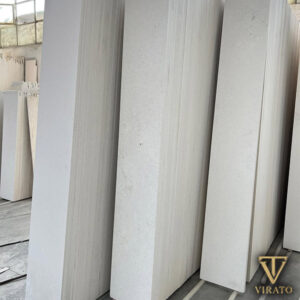
Typical travertine cladding thickness:
20 mm
30 mm (for larger panels or higher elevations)
Travertine panels are commonly installed using:
Mechanical anchors
Kerf systems
Ventilated façade systems
These systems allow for better load distribution, moisture control, and long-term durability.
If you need technical guidance on sizing and fixing, our team can support you during the selection stage. Feel free to reach out via our
👉 Contact page
Travertine vs. Marble for Stone Cladding
Both travertine and marble are natural stones used in cladding, but they serve slightly different purposes.
Travertine stone cladding is often preferred for:
Exterior walls
Projects exposed to weather
Large façades requiring uniform tone
Marble is more commonly used for:
Interior cladding
Feature walls
Controlled environments
Maintenance and Longevity
One of the main reasons travertine stone cladding is so popular is its low maintenance.
Basic care includes:
Periodic washing with water
Optional breathable sealers for exterior use
Avoiding harsh chemical cleaners
With proper installation and minimal care, travertine façades can last decades while retaining their visual appeal.
What to Look for in a Travertine Stone Cladding Supplier
When sourcing travertine for cladding, material quality is only part of the equation. A reliable supplier should also offer:
Consistent color selection
Accurate cutting and sizing
Export-safe packaging
Clear communication and documentation
Experience with architectural projects
Learn more about our production approach and quality standards on the
👉 About Us page
Final Thoughts
Travertine stone cladding is more than a design trend—it is a proven architectural solution that combines beauty, performance, and longevity. Whether you are planning a residential façade, a commercial building, or a cultural project, travertine offers flexibility and timeless appeal that few materials can match.
If you are exploring travertine stone cladding for an upcoming project, reviewing material options early and working with an experienced supplier will help ensure the best outcome.
For product details, samples, or technical assistance, you can always get in touch with us through our website.